How to Know When Your Car Needs a Transmission Fluid Change
Regular vehicle maintenance is essential for maintaining long-term performance, reliability, and component life, particularly in demanding driving environments characterized by high temperatures, heavy traffic, frequent stop-and-go operation, and extended driving periods. Among the various maintenance requirements, transmission fluid is one of the most important yet often overlooked automotive lubricants.
Transmission fluid plays several critical roles within the transmission system. It lubricates gears, bearings, clutches, and other moving components, helping to reduce friction, control wear, dissipate heat, and support smooth gear shifting. In automatic transmissions, the fluid also serves as a hydraulic medium, enabling efficient power transfer and proper operation of the transmission’s control mechanisms.
Over time, continuous exposure to heat, mechanical stress, and contaminants can cause transmission fluid to deteriorate. As the fluid ages, its oxidation stability, viscosity characteristics, and protective properties may gradually decline. This can contribute to rough or delayed shifting, increased operating temperatures, abnormal transmission noise, and accelerated component wear.
For this reason, transmission fluid should be inspected and replaced according to the vehicle manufacturer’s recommended maintenance schedule and the correct fluid specification. Vehicles operating under severe conditions may require additional attention as specified in the owner’s manual.
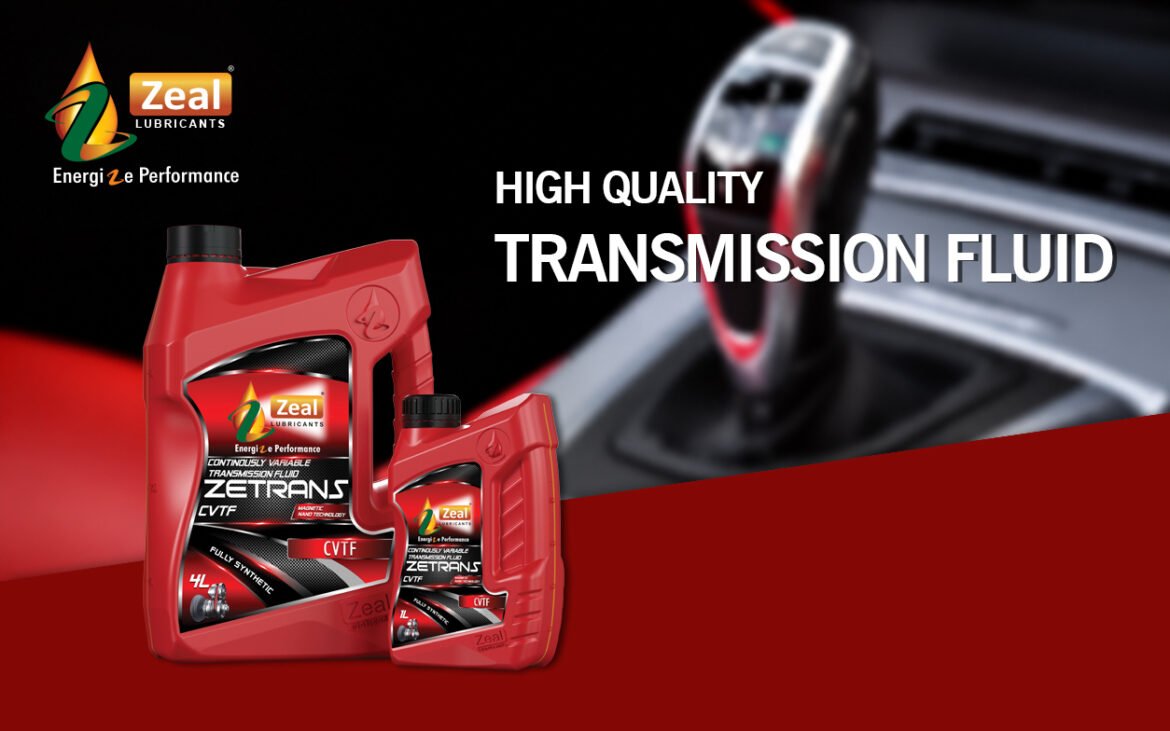
Zeal provides advanced transmission fluid solutions formulated to deliver reliable lubrication, thermal stability, wear protection, and smooth transmission performance under demanding operating conditions. Recognizing the early warning signs of deteriorating transmission fluid and following proper maintenance practices can help protect the transmission, maintain smoother gear shifts, and support longer drivetrain service life.
1. Delayed or Rough Gear Shifts
Delayed engagement, hesitation, jerking, or unusually harsh gear changes can indicate a transmission-related problem. In some cases, low, contaminated, or degraded transmission fluid may contribute to these symptoms because the fluid is responsible for lubrication and, in many automatic transmissions, hydraulic pressure and clutch operation.
High operating temperatures and demanding driving conditions can accelerate fluid deterioration. If shifting becomes noticeably different from normal, check the transmission fluid condition and follow the vehicle manufacturer’s recommended service procedure and fluid specification.
2. Unusual Noises from the Transmission
Whining, humming, grinding, or clunking noises during acceleration or gear changes should not be ignored. These sounds can have several causes, including inadequate lubrication, low fluid levels, worn bearings, clutch-related problems, or other internal transmission issues.
Transmission fluid creates a protective lubricating film between moving components and helps control friction and wear. If the fluid level is too low or its protective properties have deteriorated, transmission components may operate under increased stress. A professional inspection can determine whether the problem is fluid-related or caused by a mechanical fault.
3. Transmission Overheating
Heat is one of the major factors affecting transmission fluid life. Transmission fluid helps absorb and transfer heat generated by friction and normal transmission operation. As the fluid oxidizes and degrades, its ability to provide effective lubrication and thermal protection may decline.
This can be particularly relevant in the hot region, where high ambient temperatures, prolonged idling, congested traffic, towing, and heavy-load operation can create demanding operating conditions. A transmission temperature warning or repeated overheating should therefore be investigated promptly rather than simply addressed by changing the fluid.
4. Dark, Contaminated, or Burnt-Smelling Fluid
A noticeable change in transmission fluid appearance or smell can provide useful information about its condition. Depending on the fluid formulation, fresh automatic transmission fluid is commonly red or another manufacturer-specified color. With service, it may gradually become darker.
Very dark fluid, visible contamination, or a strong burnt smell can indicate excessive heat, oxidation, or deterioration. However, fluid color alone should not determine whether replacement is necessary because appearance varies between fluid types and manufacturers.
Always compare the fluid condition with the vehicle manufacturer’s recommendations and use only the specified transmission fluid.
5. Slipping or Fluctuating Gears
Transmission slipping may occur when engine speed increases without a corresponding increase in vehicle speed, when the transmission struggles to remain in the selected gear, or when gear engagement becomes inconsistent.
Low fluid level, incorrect fluid, deteriorated fluid, hydraulic-pressure problems, worn clutch components, or electronic faults can all contribute to slipping. Because continued operation with a slipping transmission may increase heat and component wear, the vehicle should be inspected as soon as possible.
6. Transmission Fluid Leakage or Low Fluid Level
Visible transmission fluid underneath the vehicle or a repeatedly low fluid level can indicate a leak from seals, gaskets, transmission lines, the pan, or other components.
Unlike engine oil, transmission fluid should not normally require frequent topping up in a properly sealed system. Insufficient fluid can reduce lubrication and hydraulic pressure, potentially causing poor shifting, overheating, slipping, and accelerated wear.
If a leak is suspected, identify and repair its source rather than simply adding more fluid.
7. Reduced Transmission Response or Poor Driving Performance
A noticeable decline in transmission responsiveness can also indicate that the system requires attention. Symptoms may include delayed engagement when selecting Drive or Reverse, inconsistent acceleration, slow gear engagement, or changes in normal shift behavior.
These symptoms do not automatically mean that the transmission fluid needs replacement, but they justify checking the fluid level, condition, service history, and transmission system.
Takeaway
Transmission fluid is a critical component in maintaining the performance, protection, and reliability of a vehicle’s transmission system. This becomes particularly important under demanding operating conditions, where high temperatures, heavy traffic, prolonged idling, and frequent stop-and-go driving can increase thermal and mechanical stress on the transmission.
Research into lubricant performance shows that prolonged exposure to heat can accelerate oxidation and fluid degradation, potentially reducing the fluid’s ability to control friction, protect against wear, and maintain consistent transmission performance. For this reason, selecting the correct transmission fluid should be based on the vehicle manufacturer’s specified viscosity, performance standard, and transmission type, rather than simply choosing a fluid described as premium or high-quality.
Zeal transmission fluids are formulated to provide effective lubrication, friction control, wear protection, oxidation resistance, and thermal stability under demanding operating conditions. When the correct product is selected for the transmission and used according to the manufacturer’s recommended service intervals, it can help support smooth gear operation and protect critical transmission components.
Ultimately, effective transmission maintenance depends on three factors: using the correct fluid specification, maintaining the proper fluid level, and following the recommended inspection and replacement schedule. These practices can help reduce unnecessary wear and support reliable transmission performance throughout the vehicle’s service life.